

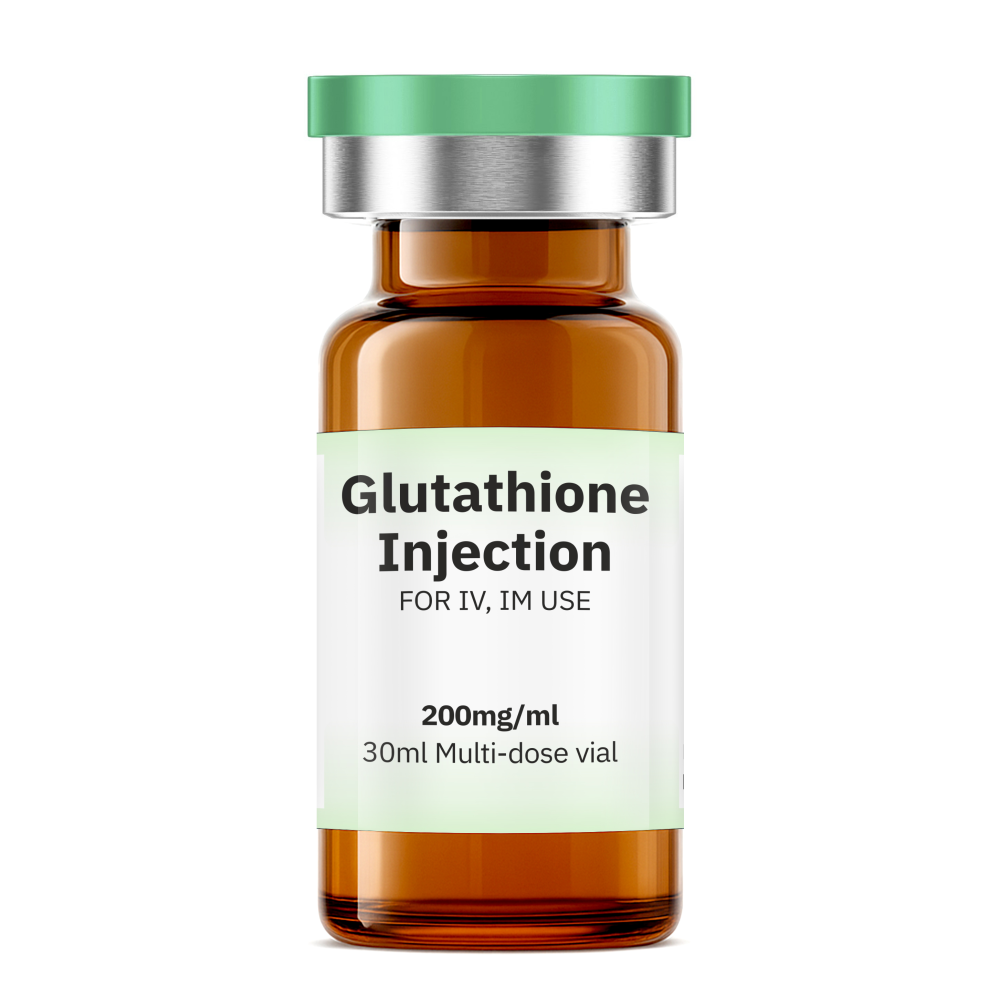
Glutathione
200mg/mL
Available to ship to your site 3-4 weeks after ordered
Size: 30mLGlutathione injections are gaining popularity for their potential health benefits. Glutathione is a powerful antioxidant produced by the body, which helps counter oxidative stress linked to various age-related diseases like cancer, diabetes, and arthritis [1].
Antioxidant Properties: Helps protect cells from damage caused by free radicals [1].
Anti-Aging: May reduce signs of aging by combating oxidative stress [1].
Skin Health: Often used to lighten skin tone and reduce hyperpigmentation [2].
Immune Support: Supports the immune system and helps in detoxifying the liver [3].
More About This Product
-
30mL
-
200mg/ml
Intravenous (IV) Administration
Procedure: A healthcare professional inserts a small needle into a vein, typically in the arm, and infuses the glutathione solution directly into the bloodstream [12].
Duration: The process is relatively quick and usually painless, though you might feel a mild tingling sensation at the injection site [12].
Intramuscular (IM) Administration
Procedure: The injection is administered into a muscle, often in the upper arm, thigh, or buttocks [13].
Self-Administration: If you’re administering the injection at home, ensure you follow proper sterilization techniques and instructions provided by your healthcare provider [13]. -
Antioxidant Activity: Glutathione neutralizes free radicals and reactive oxygen species (ROS), protecting cells from oxidative damage [6][7]. This is crucial for maintaining cellular health and preventing damage to DNA, proteins, and lipids.
Detoxification: In the liver, glutathione binds to toxins, making them more water-soluble and easier to excrete through urine or bile [6]. This process is essential for the detoxification of harmful substances, including heavy metals and environmental pollutants [8].
Enzyme Cofactor: Glutathione acts as a cofactor for several enzymes, including glutathione peroxidase, which reduces peroxides and protects cells from oxidative stress [6].
Protein S-Glutathionylation: This is a post-translational modification where glutathione attaches to proteins, protecting them from oxidative damage and regulating their function [7].
Immune Function: Glutathione supports the immune system by maintaining the function of lymphocytes and other immune cells [6]. -
Allergic Reactions: Some people may experience allergic reactions, including rashes or itching [10].
Liver and Kidney Conditions: If you have liver or kidney issues, consult your healthcare provider before starting glutathione injections [10].
Dosage: Stick to recommended dosages, typically up to 500 mg daily, to avoid potential side effects like bloating or cramping [11].
Medical Supervision: Always have glutathione injections administered by a qualified healthcare professional to minimize risks [10].
Asthma: Inhaling glutathione can exacerbate asthma symptoms, so individuals with asthma should avoid this form of admisitration [10] -
Glutathione has no known serious or moderate interactions with other drugs [10][14]. However, it has mild interactions with at least 89 different drugs [14]. Some common interactions include:
Glutathione and Magnesium
Glutathione and Vitamin c
Glutathione and Vitamin d
Glutathione and Prednisone
Glutathione and Furosemide
Glutathione and Omeprazole
Glutathione and Vitamin b [10][14][15]
-
Side Effects
Injection Site Reactions: Pain, redness, or swelling at the injection site [2].
Other Potential Issues: Some people might experience allergic reactions or gastrointestinal issues [4]. -
Pregnancy and Breastfeeding: There isn’t enough reliable information about the safety of glutathione during pregnancy or breastfeeding, so it’s best to avoid use [10].
Asthma: Inhaling glutathione can exacerbate asthma symptoms, so individuals with asthma should avoid this form of administration [10]. -
Temperature: Store the injections in a refrigerator at 36°F to 46°F (2°C to 8°C) [9].
Light Protection: Keep them away from direct sunlight.
Safety: Ensure they are out of reach of children and pets [9].
Disposal: Do not flush medications down the toilet or pour them into a drain. Properly discard them when they are expired or no longer needed [9]. -
1. honehealth.com 2. semichealth.com 3. health.usnews.com
4. skinkraft.com 5. shutterstock.com 6. go.drugbank.com 7.en wikipedia.org
8. restorativemedicine.org 9. Bing.com 10. webmd.com 11. coremedscience.com
12. ivyrx.com 13. invigormedical.com 14. rxlist.com 15. eheakthme.com